
Natural stone brings a level of character and refinement to a home that few materials can match. Marble, granite, limestone, quartzite, and terrazzo all carry their own unique beauty, but they also require thoughtful care to maintain that beauty over time. Stone is durable, yet surprisingly sensitive. It can dull, etch, stain, scratch, or lose its finish through everyday use—and the right care routine is what keeps it looking pristine for decades.
This comprehensive guide walks you through everything you need to know about natural stone care, from daily cleaning to long-term maintenance, polishing techniques, sealing, stain prevention, and when it’s time to call in a professional. Whether you’re caring for kitchen countertops, bathroom vanities, showers, stone floors, tabletops, or sinks, this pillar guide serves as your foundation for preserving your home’s most beautiful surfaces.
Understanding the Basics of Natural Stone Care
All natural stone—whether porous like marble and limestone or denser like granite—contains microscopic pores. These pores allow liquids, oils, and acids to absorb into the stone, which is why stains, etching, and discoloration are so common. The goal of proper stone care is simple: minimize absorption, protect the finish, and maintain the stone’s clarity and color.
Proper care comes down to three fundamentals:
- Cleaning: Using pH-neutral, stone-safe products that won’t react with or degrade the surface.
- Protection: Sealing, polishing, and avoiding harsh chemicals or abrasives.
- Maintenance: Routine upkeep that prevents long-term wear and keeps the stone performing well.
Each type of stone reacts differently to cleaning agents, spills, and polishing processes, so understanding the characteristics of your material is the first step toward proper care.
Daily, Weekly & Annual Stone Maintenance Routines
Natural stone thrives when homeowners follow a consistent maintenance rhythm. These habits prevent long-term damage and keep surfaces looking vibrant.
Daily Care
Daily cleaning should be simple, gentle, and non-reactive. Use a soft cloth or microfiber towel with a stone-safe, pH-neutral cleaner. Avoid vinegar, bleach, abrasive powders, or harsh household chemicals—these can strip the finish or create etching, especially for marble stone care.
Weekly Care
Once a week, wipe surfaces more thoroughly to remove any oils, residues, or buildup that accumulate from cooking, cosmetics, or environmental dust. For floors, use a damp microfiber mop with a stone-approved cleaning solution.
Annual (or Semi-Annual) Care
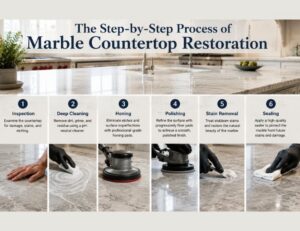
High-use surfaces—especially kitchen countertops, bathroom floors, and showers—benefit from annual or semi-annual maintenance. This may include deep cleaning, resealing, or light polishing to refresh the finish and restore clarity.
Polishing vs. Honing: What’s the Difference?
Homeowners often wonder whether stone should be polished or honed, and the answer depends on the surface, its use, and personal preference.
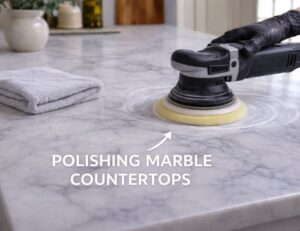
A polished finish is reflective, glossy, and smooth. It enhances color and pattern, especially in marbles and granites. Polishing can also improve scratch resistance because the surface becomes more compact and refined.
A honed finish is matte or satin-like. It softens the appearance of stone and reduces glare. Honing is ideal for busy kitchens or high-traffic floors because it hides fingerprints, light etching, and everyday wear far better than a high-gloss surface.
In some cases, homeowners choose to transition from polished to honed—or vice versa—as part of restoration or refinishing. The decision depends on lifestyle, design goals, and how the surface is used.
Safe Cleaning Products for Natural Stone
The right products make all the difference in preserving your stone. Many mainstream cleaners contain acids, alkaline agents, or surfactants that break down stone finishes. Even “gentle” household cleaners can be too harsh for calcium-based stones like marble.
Choose:
- pH-neutral stone cleaners
- Microfiber or cotton cloths
- Non-abrasive cleaning pads
- Warm water for routine wiping
Avoid:
- Vinegar, lemon, or citrus-based cleaners
- Bleach or ammonia
- Abrasive scrubbing powders
- Magic erasers (they cause micro-scratching)
Stone-safe cleaning products preserve the finish while keeping surfaces hygienic and beautifully maintained.
Stone Care Differences by Material
Every stone behaves differently. Understanding your specific material helps you tailor your care routine more effectively.
Marble
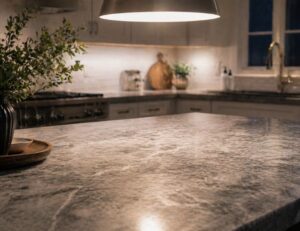
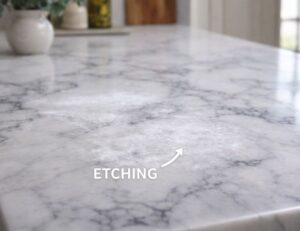
Marble is highly sensitive to acids and etches easily. It benefits most from consistent sealing, gentle cleaning, and avoiding any abrasive tools. Etching—from lemon juice, wine, or even some cleaning sprays—is common, but can be resurfaced professionally.
Granite
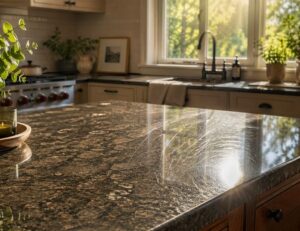
Granite is dense and more resistant but still porous enough to stain. It handles daily use well, but oils and dark liquids can penetrate if left untreated. Polishing granite enhances its natural shine and depth.
Quartzite
Quartzite is extremely durable but still benefits from sealing and gentle cleaners. It resists scratching better than marble and granite but may show dullness in high-use areas if not maintained.
Limestone & Travertine
These softer stones require frequent sealing and very gentle cleaning. Their matte finishes make them ideal for floors and showers, but they are more sensitive to scratching and etching than harder stones.
Terrazzo
Terrazzo polishing responds beautifully and can be restored to an incredibly smooth and reflective finish. It is commonly used in high-traffic areas and benefits from sealing and periodic maintenance.
Stain, Etch & Scratch Prevention
Most long-term stone damage comes from preventable issues. Small habits make a significant difference in preserving your surfaces:
- Use coasters, trivets, and cutting boards.
- Clean spills immediately—especially wine, coffee, oils, citrus, and vinegar.
- Use pH-neutral cleaners daily.
- Keep bath products from pooling on stone shower ledges.
- Avoid dragging furniture or heavy objects across stone floors.
Stains occur when oils or pigments penetrate into the pores. Etching happens when acids react with calcium-based stones. Both are manageable when addressed early—and both are preventable with the right habits.
The Role of Sealing in Stone Protection
Sealing does not make stone indestructible, but it significantly improves stain resistance and helps maintain the finish. Whether used on countertops, floors, showers, or vanities, sealing creates a protective barrier that slows absorption and keeps the stone easier to clean.
Most natural stone benefits from resealing every 1–3 years. High-use kitchens may require annual sealing, while low-use areas can go longer. The “water test”—dropping a small amount of water on the stone to see if it darkens—helps determine when resealing is needed.
Common Mistakes Homeowners Make With Stone Care
Many stone problems start with good intentions but misguided products or techniques. Here are some of the most common issues professionals encounter:
- Using vinegar or citrus cleaners on marble or limestone.
- Scrubbing with abrasive pads or powders.
- Applying waxes, coatings, or furniture polish on stone.
- Using bathroom cleaners that dissolve calcium carbonate.
- Assuming sealing prevents all damage (it doesn’t prevent etching).
- Letting spills sit for long periods.
Avoiding these mistakes preserves your stone’s finish and extends the time between professional maintenance.
DIY vs. Professional Care: When to Call an Expert
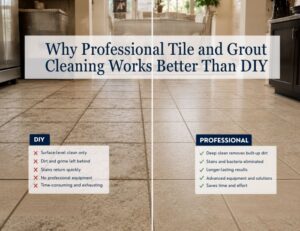
Routine cleaning is easy for homeowners, but polishing, honing, and stain or etch removal require specialized tools and experience. Attempting these repairs without proper equipment often causes additional damage.
- Call a professional when you see deep etching, widespread dullness, visible scratches, or stains that darken over time.
- DIY is fine for everyday cleaning, light upkeep, and maintenance between professional visits.
Professionals use commercial-grade machines, diamond abrasives, and penetrating sealers that deliver a level of finish that cannot be replicated with consumer products.
Expert Insight: The Craft Behind Polishing & Stone Care
True stone care is a combination of technical knowledge and fine craftsmanship. Professionals understand how each stone responds to heat, pressure, abrasives, and moisture. They study the stone’s mineral composition, evaluate wear patterns, and tailor their approach to preserve as much of the original structure as possible.
Experience matters. The difference between a surface that looks “cleaned” and one that looks genuinely revived lies in technique—the precision of the honing, the clarity of the polish, and the quality of the sealing. When all three are performed correctly, stone doesn’t just look better; it stays better over time.
FAQs About Natural Stone Polishing & Care
How often should natural stone be professionally polished?
Most homeowners benefit from polishing every few years, depending on use, traffic, and the type of stone. High-use kitchens and entryways may need more frequent attention.
Does polishing remove scratches or etching?
Polishing can remove micro-scratches, but etching usually requires honing first to remove the damaged layer before repolishing the surface.
Is sealing the same thing as polishing?
No. Sealing protects against absorption and staining, while polishing refines the finish and enhances shine. Both play important but separate roles.
What’s the best cleaner for marble?
Always choose a pH-neutral, stone-safe cleaner. Avoid acidic or abrasive products entirely.
Why does my stone keep looking dull even after cleaning?
Dullness often indicates surface wear—etching, micro-scratches, or a worn finish. Cleaning alone cannot restore shine; polishing or honing may be needed.
Preserve the Beauty of Your Natural Stone
Natural stone is one of the most beautiful features in any home, and with proper care, it can remain stunning for decades. A thoughtful care routine, safe cleaning practices, and periodic professional maintenance keep your stone surfaces performing beautifully while protecting your investment.
If you want to explore more stone care topics, browse our Stone Polishing & Care category for detailed guides, tips, and resources. And if any surface in your home looks dull, scratched, or etched, we’re always here to help you understand what’s possible and make confident decisions about caring for your stone.