

Natural stone surfaces bring warmth, texture, and timeless character into a home—but they also come with responsibility. If you’ve ever wondered whether you’re cleaning your stone correctly, polishing it too often (or not enough), or sealing it at the right interval, you’re asking the right questions.
Effective care isn’t about constant upkeep. It’s about understanding how stone behaves, how wear develops, and which habits actually protect your investment. In this guide, we’ll break down practical, experience-driven natural stone maintenance tips so you can confidently care for marble, granite, and other stone surfaces without guesswork.
Understanding How Natural Stone Wears Over Time
Before diving into cleaning or polishing routines, it’s important to understand what makes natural stone unique. Unlike synthetic materials, stone is porous, mineral-based, and reactive to its environment. That means daily use—foot traffic, moisture, spills, and even air quality—gradually affects the surface.
Marble, for example, reacts chemically to acids, while granite is more resistant but still vulnerable to abrasion and sealant breakdown. Maintenance works best when it’s preventative rather than reactive. Knowing what your stone is exposed to helps determine how often it needs attention and what type of care is appropriate.
Cleaning Natural Stone Without Damaging the Surface
One of the most common maintenance mistakes is assuming that stronger cleaners equal better results. In reality, harsh chemicals and abrasive tools often accelerate wear rather than prevent it.
For everyday cleaning:
- Use pH-neutral, stone-safe cleaners
- Wipe spills promptly to prevent absorption
- Avoid acidic or ammonia-based products, even if diluted
Over time, improper cleaning can dull finishes and weaken sealers, creating the illusion that stone is “aging poorly” when it’s actually being worn down. Consistency matters more than intensity. Gentle, regular cleaning preserves the surface while reducing the need for corrective work later.
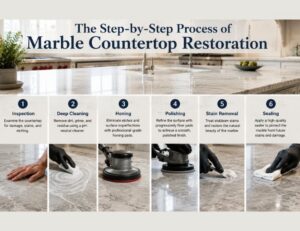
How to Polish Marble Floors the Right Way
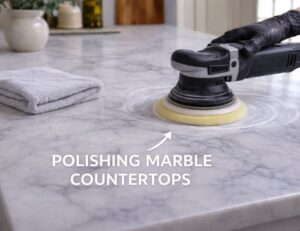
Polishing is often misunderstood as a cosmetic step, but it’s actually a structural one. When homeowners ask how to polish marble floors, the answer depends on the condition of the stone—not just its appearance.
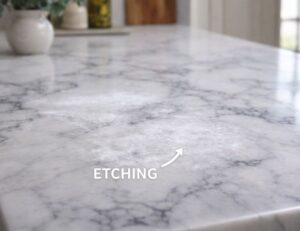
Polishing restores reflectivity by refining the surface after wear, etching, or light scratching. However, frequent DIY polishing with powders or pads can create uneven results or compound damage if the underlying stone isn’t properly prepared.
Professional polishing evaluates:
- Surface flatness
- Existing etching or scratches
- Desired finish level (high gloss vs. satin)
When done correctly, polishing enhances clarity and smoothness without thinning the stone unnecessarily. This process is often part of a broader care approach outlined in the ultimate guide to natural stone polishing and care, which explores how polishing fits into long-term maintenance.
Stone Sealing Frequency: How Often Is Enough?
Sealing is one of the most effective ways to protect natural stone—but only when applied at the right time. Stone sealing frequency depends on several factors, including stone type, finish, and how the surface is used.
Rather than following a fixed schedule, sealing should be based on performance. If water no longer beads on the surface or darkens the stone quickly, the sealer may be wearing off. Over-sealing can be just as problematic as under-sealing, potentially trapping moisture or residue beneath the surface.
Well-maintained stone typically needs resealing every one to three years, but high-use areas may require closer monitoring. Sealing works best when paired with proper cleaning habits and occasional professional evaluation.
When Maintenance Transitions Into Professional Care
Even with excellent habits, there comes a point when routine maintenance can’t fully address surface wear. This doesn’t mean the stone has failed—it simply means the surface has reached a stage where refinement is needed.
Professional services step in when:
- Etching or scratches affect reflectivity
- Surfaces feel uneven or worn
- Polishing and sealing no longer deliver results
Understanding available natural stone service options helps bridge the gap between daily care and long-term preservation. Maintenance and restoration aren’t opposing ideas—they work together to extend the life of stone surfaces.
Expert Insight: Why Preventative Care Always Wins
From decades of working with natural stone, one pattern is consistent: surfaces that receive thoughtful, informed maintenance age better than those treated aggressively or inconsistently. Most irreversible damage happens slowly—through small habits that compound over time.
Preventative care focuses on minimizing surface stress, preserving finishes, and intervening early when wear appears. This approach reduces the need for extensive restoration and keeps stone looking appropriate for its space rather than over-processed or prematurely replaced.
Frequently Asked Questions About Natural Stone Maintenance
How often should natural stone be professionally polished?
Polishing frequency depends on wear, not time. Many surfaces go several years before needing polishing if properly cleaned and sealed.
Can I polish marble floors myself?
Light maintenance may be possible, but improper techniques can worsen etching or create uneven finishes. Professional polishing ensures consistent results.
What happens if stone isn’t sealed regularly?
Unsealed stone absorbs moisture and oils more easily, increasing the risk of staining and discoloration over time.
Are all stone cleaners safe for marble and granite?
No. Many household cleaners are acidic or abrasive. Always use products specifically formulated for natural stone.
Does proper maintenance eliminate the need for restoration?
Good maintenance significantly delays restoration, but most stone surfaces eventually benefit from professional refinement to reset the surface.
Final Thoughts: Maintaining Stone Is About Balance
Caring for natural stone isn’t about perfection—it’s about balance. Thoughtful cleaning, informed polishing decisions, and appropriate sealing intervals work together to protect both appearance and longevity.
If you’re exploring educational resources or want to better understand care standards across different environments, the natural stone service locations overview provides additional context without focusing on specific markets.
Want to go deeper into polishing methods, finishes, and care strategies? Explore the natural stone polishing and care guide for a more detailed breakdown.
And if questions come up along the way, having expert guidance can make stone care feel far more manageable—and far less uncertain.