

Natural stone surfaces are built to last—but they aren’t maintenance-free. Over time, even well-cared-for marble and granite can lose their clarity, smoothness, and uniform appearance. The challenge for most homeowners isn’t noticing that something looks “off,” but understanding whether that change is cosmetic, normal aging, or a clear signal that professional care is needed.
Recognizing early marble restoration signs helps you avoid unnecessary replacement while preserving the character and value of your stone. Below, we’ll walk through five indicators that suggest routine cleaning may no longer be enough—and explain when to restore natural stone instead of continuing temporary fixes.
1. Etching or Cloudy Marks That Remain After Cleaning
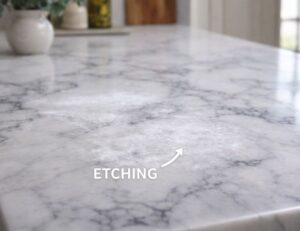
One of the most common and misunderstood marble restoration signs is surface etching. Unlike stains, etches are not caused by dirt or discoloration. They occur when acidic substances—such as lemon juice, wine, vinegar, or certain household cleaners—chemically react with marble’s calcium-based structure.
You may notice:
- Dull rings where glasses once sat
- Cloudy patches that look “washed out”
- Areas that feel slightly rough compared to surrounding stone
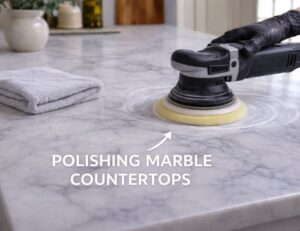
Because etching alters the stone’s surface itself, no amount of wiping or scrubbing will restore the original finish. When these marks persist, it’s often a sign that controlled honing and polishing are required to re-level the surface and bring back clarity.
For a deeper understanding of how professional restoration works and what it can realistically address, the complete guide to natural stone restoration provides helpful context.
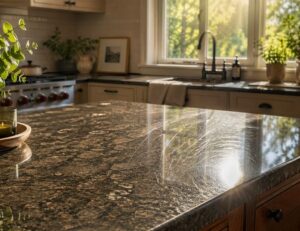
2. Uneven Shine or Patchy Appearance Across the Surface
Natural stone should look consistent across its entire surface. When certain areas appear glossy while others look flat or worn, it usually means the stone has experienced uneven wear over time.
This commonly shows up in:
- Kitchen work zones
- Frequently used bathroom vanities
- Entryways or stone flooring with foot traffic
For granite, this often signals that granite countertop resurfacing is needed. While granite is harder than marble, sealers break down, and repeated abrasion can gradually dull the finish. Professional resurfacing restores balance to the stone without removing more material than necessary.
3. Stains That No Longer Respond to Surface Treatments
Staining occurs when liquids penetrate porous stone rather than reacting with it. Oils, cosmetics, cooking residue, and even water can darken stone once protective sealers wear off.
If you’ve already tried:
- Stone-safe cleaners
- Targeted poultices
- Re-sealing with little improvement
…it may be time to evaluate when to restore natural stone rather than continue spot treatments. Restoration focuses on extracting embedded contaminants and refinishing the surface so it can be properly sealed again—helping prevent repeat staining rather than masking it.
If the affected surface is marble, learning more about professional marble restoration services can help clarify what results are achievable without replacement.
4. Scratches, Texture Changes, or Uneven Tile Edges
Over years of daily use, subtle wear adds up. Fine scratches, small chips, or uneven tile edges can become more noticeable as light reflects across the surface.
You might observe:
- Hairline scratches that catch light
- Floors that feel less smooth underfoot
- Tile edges that no longer align evenly
These issues rarely indicate structural failure, but they do suggest surface degradation that cleaning alone can’t resolve. Restoration addresses these problems by flattening and refinishing the stone, improving both appearance and tactile quality.
5. You’re Thinking About Replacement—But Aren’t Fully Convinced
One of the most telling marble restoration signs is the moment you begin considering replacement even though the stone itself is still intact. This often happens when recurring issues feel frustrating or unsightly, but the cost and disruption of replacement give pause.
In many cases, restoration offers a practical alternative—extending the life of the existing stone while maintaining its original character. It also aligns with a long-term mindset focused on preservation rather than disposal.
Educational resources like the natural stone blog can help you explore scenarios, expectations, and care strategies before making a major decision.
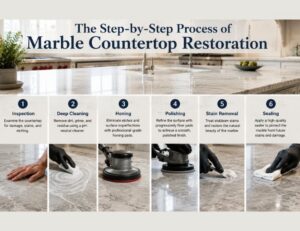
What Professional Stone Restoration Typically Involves
While each project is different, professional restoration generally follows a structured process:
- Surface assessment to identify etching, staining, or wear patterns
- Precision honing to correct surface damage
- Polishing to restore clarity and uniform sheen
- Sealing to protect against future penetration
The objective isn’t to over-process the stone, but to return it to a refined, natural appearance that suits the space and its use.
Frequently Asked Questions
How can I tell if my stone needs restoration or just resealing?
If the surface shows etching, texture changes, or dullness that resealing doesn’t improve, restoration is likely the next step.
Does granite require restoration as often as marble?
Granite is more durable, but it can still lose its finish over time. Resurfacing needs depend on use, maintenance habits, and sealer condition.
Is restoration a one-time fix?
Restoration significantly improves the stone, but ongoing care matters. Proper cleaning and sealing help extend results long-term.
Will restoration change how my stone looks?
Restoration enhances the stone’s original appearance. Finish levels can often be adjusted to match your preference.
Can restoration help maintain property value?
Well-maintained natural stone contributes to overall presentation and longevity, which can support long-term value.
Final Thoughts
Knowing when to act is just as important as knowing what to fix. Subtle changes—like etching, uneven shine, or persistent stains—often signal that surface-level care has reached its limit.
If you want to better understand service availability or educational resources across different regions, you can explore the natural stone service locations page for general reference.
Restoration is rarely about urgency—it’s about timing, clarity, and preserving what already exists. When addressed thoughtfully, natural stone can continue to perform and age beautifully for years to come.